Why Is Laparoscopic Surgery Done?
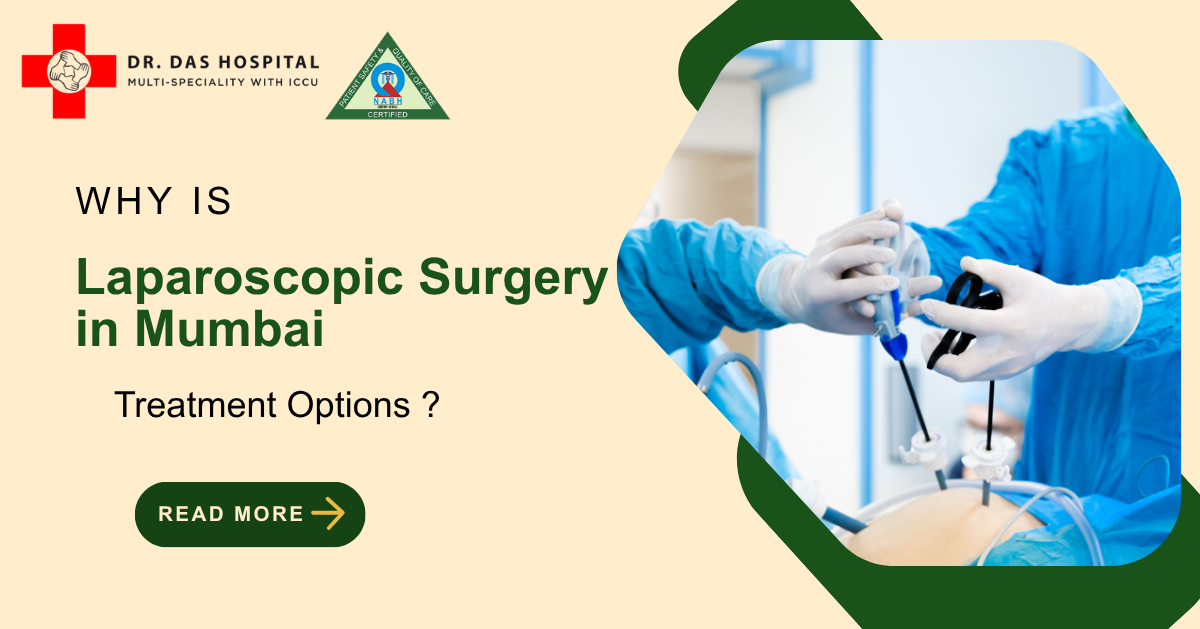
If your surgeon has recommended laparoscopy, your first question may be simple: why do I need this type of surgery?
Laparoscopic surgery is a minimally invasive technique in which a surgeon uses a camera and specialised instruments to examine or treat problems inside the abdomen or pelvis. Doctors often choose it when the required procedure can be completed safely with less disruption to surrounding tissues than traditional open surgery.
For suitable patients, this can mean less pain, a shorter hospital stay, smaller scars, and an earlier return to routine activities.
So, laparoscopic surgery is not done simply because it uses smaller incisions. It is done because it can provide an effective way to diagnose a problem, treat it, or sometimes do both during the same procedure.
What Are the Main Reasons for Laparoscopic Surgery?
Doctors generally recommend laparoscopic surgery for two main reasons:
- To find the cause of a medical problem
- To treat a diagnosed condition
In some cases, both can happen during the same operation.
For example, a person may have persistent abdominal pain even though scans have not provided a clear answer. A surgeon may use laparoscopy to examine the abdomen directly. If the surgeon finds a problem that can be treated at the same time, further surgery may not be needed.
This ability to see the affected area directly is one reason laparoscopic surgery remains useful even when ultrasound, CT scans, or MRI have already been performed.
When Is Laparoscopy Used to Find a Diagnosis?
Most abdominal pain does not require surgery. Blood tests, ultrasound, CT scans, and other tests usually come first.
What happens when these tests do not explain your symptoms?
Diagnostic laparoscopy may help the surgeon investigate conditions such as:
- Persistent or unexplained abdominal pain
- Pelvic pain
- Endometriosis
- Internal adhesions
- Abdominal bleeding
- Pelvic infections
- Abdominal masses
- Fluid collecting inside the abdomen
- Certain liver conditions
- Suspected spread of cancer
The surgeon can inspect the organs directly and take a biopsy if abnormal tissue is found. Diagnostic laparoscopy may also help assess how far certain cancers have spread before treatment is planned.
This does not mean everyone with unexplained pain needs surgery. A Laparoscopic Surgeon in Mumbai will usually review your symptoms, previous tests, medical history, and examination before deciding whether laparoscopy is likely to provide useful information.
What Problems Can Be Treated With Laparoscopic Surgery?
Laparoscopy is used across several types of abdominal and pelvic surgery.
It becomes easier to understand when procedures are grouped by what the surgeon is trying to achieve.
Organ Removal
Laparoscopic techniques may be used to remove an organ that is diseased, inflamed, or causing repeated symptoms.
Common examples include:
- Gallbladder removal for symptomatic gallstones
- Appendix removal for appendicitis
- Hysterectomy in selected gynaecological conditions
- Removal of certain organs or tissue affected by cancer
Gallbladder and appendix surgery are among the common uses of laparoscopy.
Structural Repairs
The surgeon can also use laparoscopy to repair a structural problem rather than remove an organ.
Examples include:
- Hernia repair
- Treatment of internal adhesions
- Repair of selected perforated or bleeding ulcers
- Some anti-reflux procedures
For patients considering Laparoscopic Surgery in Mumbai, the exact method depends on the location and complexity of the problem rather than the diagnosis alone.
Gynaecological Procedures
Laparoscopy can be used to diagnose or treat:
- Endometriosis
- Ectopic pregnancy
- Ovarian conditions
- Fibroids
- Selected hysterectomies
It can be useful when symptoms such as pelvic pain or abnormal findings on scans need direct evaluation.
Bariatric Surgery
Many weight-loss procedures are performed using minimally invasive techniques.
These include:
- Sleeve gastrectomy
- Gastric bypass
SAGES lists procedures such as sleeve gastrectomy and gastric bypass among recognised laparoscopic abdominal operations.
Cancer Diagnosis and Treatment
Laparoscopy may be used to:
- Take a biopsy
- Assess the spread of cancer
- Examine abdominal organs
- Remove selected tumours or affected organs
Whether minimally invasive cancer surgery is suitable depends on the type, location, stage, and extent of the disease.
Why Choose Laparoscopic Surgery Instead of Open Surgery?
Patients often ask whether laparoscopic surgery is actually better than open surgery.
There is no single answer for every operation.
The better approach is the one that allows your surgeon to complete the required treatment safely while considering your condition, medical history, and expected recovery.
For suitable procedures, minimally invasive surgery is associated with less pain, shorter hospital stays, and fewer complications compared with open surgery.
| Feature | Laparoscopic Surgery | Traditional Open Surgery |
|---|---|---|
| Surgical access | Several small access points | One larger incision |
| Postoperative pain | Often less | May be greater |
| Hospital stay | Often shorter | Often longer |
| Return to routine | Usually earlier for comparable procedures | Usually takes longer |
| Scarring | Smaller scars | Larger scar |
| Wound recovery | Smaller wounds to heal | Larger wound to heal |
Recovery cannot be reduced to one fixed number of weeks.
A patient having a simple diagnostic procedure will recover differently from someone undergoing a major bowel operation or bariatric surgery.
This is why your surgeon's estimate matters more than a generic recovery timeline found online.
What Actually Happens During the Procedure?
Once you understand why the operation is being done, the technique itself is fairly straightforward.
Most operative laparoscopic procedures are performed under general anaesthesia.
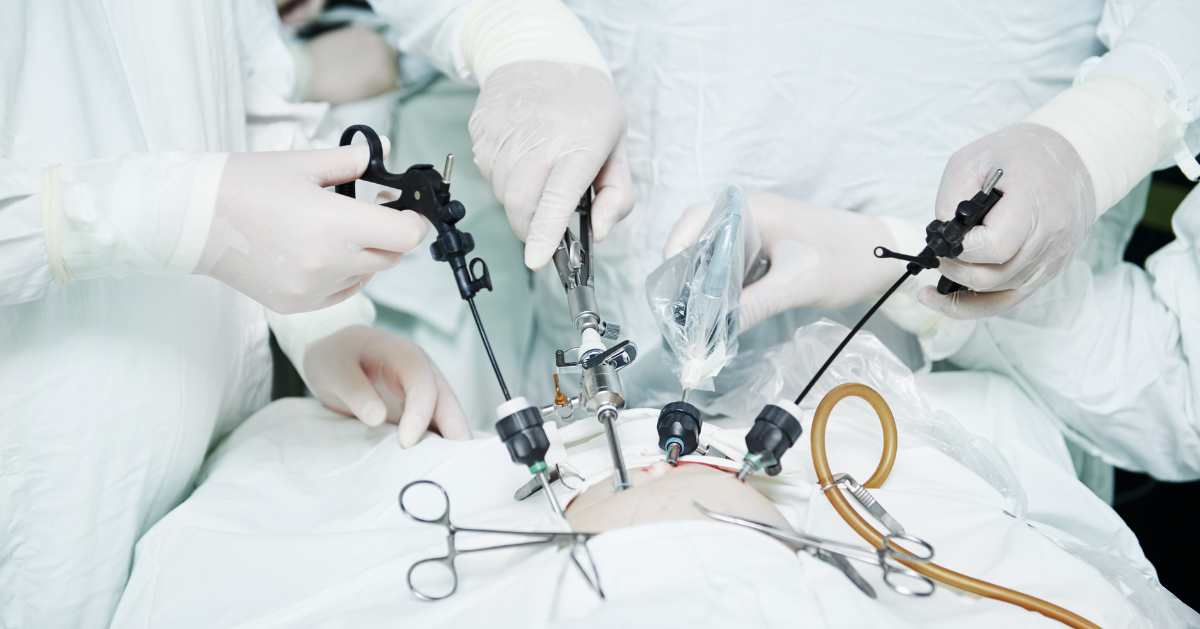
A laparoscope is inserted into the abdomen so the surgeon can see the organs on a monitor. Other specialised instruments are then used to examine, remove, repair, cut, seal, or collect tissue depending on the operation.
Carbon dioxide gas is generally used to create working space inside the abdomen. The gas is released at the end of the procedure.
The exact number and position of access points depend on the surgery being performed.
When Might Open Surgery Still Be Needed?
Laparoscopy is useful, but it is not the right option for every patient.
Open surgery may be preferred when the surgeon needs wider access to the affected area or when the condition is particularly complex.
Your surgeon may consider factors such as:
- Previous abdominal operations
- Extensive internal scar tissue
- Severe infection
- Major bleeding
- Size or location of a tumour
- Complex anatomy
- Your heart and lung health
- The type of emergency
- The extent of the disease
Sometimes an operation starts laparoscopically and is converted to open surgery.
This does not automatically mean something has gone wrong.
SAGES explains that conversion may be chosen when the surgeon believes an open procedure is the safer way to complete the operation.
The aim is to perform the operation safely, not to complete it laparoscopically at any cost.
How Do Doctors Decide If You Are Suitable?
There is no single test that tells a surgeon whether you should have laparoscopy.
The decision usually comes from several pieces of information.
Your surgeon may review:
- Your symptoms
- Physical examination findings
- Ultrasound, CT, or MRI reports
- Blood test results
- Previous abdominal surgery
- Other medical conditions
- The expected complexity of the procedure
- Whether the operation is planned or urgent
If you are exploring Laparoscopic Surgery in Mumbai, the consultation should explain not only whether laparoscopy is possible, but why it is being recommended in your specific case.
At Dr Das Multispeciality Hospital, patients being assessed for general or laparoscopic surgery should discuss the diagnosis, planned procedure, alternatives, and expected recovery directly with the treating surgeon.
Dr Das Multispeciality Hospital
General and Laparoscopic Surgery
Expert Guidance on Laparoscopic (Keyhole) Surgery
Frequently Asked Questions
What Should You Ask Before Your Surgery?
Before agreeing to surgery, make sure you understand why the procedure is being recommended.
Ask your surgeon:
- What exactly are you treating or trying to diagnose?
- Why is laparoscopy suitable for my condition?
- Are there non-surgical alternatives?
- Could I need open surgery?
- How long might I stay in the hospital?
- When can I walk, drive, work, and exercise again?
- What symptoms should I expect during recovery?
If you are considering Laparoscopic Surgery in Mumbai or consulting at Dr Das Multispeciality Hospital, these questions can make your surgical consultation much more useful. The goal is not simply to choose a minimally invasive operation. It is to understand which approach gives you the safest and most appropriate treatment for your condition.
Book a Consultation
Schedule your consultation with our General and Laparoscopic Surgery specialists at Dr Das Multispeciality Hospital for expert evaluation and guidance on your surgical options.
Book Appointment