10 Early Signs of Pregnancy and When to See a Gynecologist
Pregnancy often begins with small changes that are easy to overlook. A missed period is the most common sign, but many women notice symptoms even before that. You may feel more tired than usual, experience nausea, or find that certain smells suddenly bother you. These changes happen because your body starts producing pregnancy hormones soon after conception.
Knowing the early signs of pregnancy helps you seek medical care at the right time. Early diagnosis supports a healthy pregnancy, allows timely prenatal care, and helps identify any concerns before they become serious. If you suspect you may be pregnant, consulting a specialist in Gynecology can provide clarity and guidance from the very beginning.
This guide explains the 10 early signs of pregnancy, when these symptoms usually begin, how they differ from premenstrual symptoms, and when you should visit a Gynecologist in Mumbai for confirmation and prenatal care.
When Do Early Pregnancy Symptoms Start?
One of the most common questions women ask is, "How soon can I notice pregnancy symptoms?" The answer varies from person to person. Some women experience symptoms within one to two weeks after conception, while others may not notice any changes until after missing a period.
A general pregnancy timeline looks like this:
- Week 1-2: Ovulation and fertilization occur.
- Week 3: The fertilized egg implants into the uterus. Some women notice light implantation bleeding.
- Week 4: A missed period is often the first noticeable sign.
- Week 5-6: Nausea, breast tenderness, and fatigue become more noticeable.
- Week 6-8: Frequent urination, food aversions, mood changes, and bloating may develop.
Every pregnancy is unique. Having few symptoms does not always mean something is wrong.
10 Early Signs of Pregnancy
A missed menstrual period is usually the earliest and most recognized sign of pregnancy. If your menstrual cycle is regular and your period is delayed by more than a week, take a home pregnancy test. Remember that stress, thyroid disorders, PCOS, and hormonal changes can also delay your period. A consultation with a Gynecologist in Mumbai can help identify the exact cause.
Some women notice light spotting about 6 to 12 days after fertilization. This is called implantation bleeding and happens when the fertilized egg attaches to the uterine lining. If bleeding becomes heavy or is associated with severe pain, seek medical attention immediately.
| Implantation Bleeding | Menstrual Period |
|---|---|
| Light pink or brown | Bright or dark red |
| Very light flow | Moderate to heavy flow |
| Lasts 1 to 2 days | Lasts 4 to 7 days |
| Usually no clots | Clots may be present |
Hormonal changes increase blood flow and prepare the breasts for breastfeeding. You may notice tender or swollen breasts, a tingling sensation, darkening of the nipples, enlarged areolas, and visible veins. These changes often appear before a missed period.
Feeling unusually tired is one of the earliest pregnancy symptoms. Your body starts producing more progesterone, increases blood volume, and begins forming the placenta. These changes require extra energy, making you feel exhausted even after getting enough sleep. Many women mistake this symptom for work stress or lack of sleep.
Morning sickness usually begins around the fifth or sixth week of pregnancy. Despite its name, nausea can occur at any time of the day. Some women only feel mild nausea, while others experience vomiting several times a day. It usually starts around week 5, peaks between weeks 8 and 10, and improves after the first trimester. Not experiencing nausea does not mean your pregnancy is unhealthy.
If you suddenly find yourself visiting the bathroom more often, pregnancy may be the reason. Pregnancy hormones increase blood circulation to the kidneys, leading to increased urine production. If urination is painful or associated with fever, it may indicate a urinary tract infection rather than pregnancy.
Many women develop unexpected food preferences during early pregnancy. You may crave spicy or sweet foods, dislike foods you previously enjoyed, become sensitive to cooking smells, or lose your appetite for coffee or tea. These changes are linked to hormonal fluctuations and usually improve over time.
Hormonal changes affect brain chemistry, leading to emotional changes such as irritability, anxiety, crying more easily, and feeling overwhelmed. Getting enough sleep, eating balanced meals, and talking with your loved ones can help manage these emotional changes.
Many women confuse early pregnancy with premenstrual syndrome because both can cause bloating and mild abdominal discomfort. The difference is that pregnancy-related bloating often continues after a missed period, while PMS symptoms usually disappear once menstruation begins. Persistent severe pain should never be ignored.
Have you suddenly started avoiding perfumes or certain foods? An increased sensitivity to smell is a common early pregnancy symptom. Even everyday scents like coffee, onions, or cooking oil may trigger nausea. This symptom usually improves as pregnancy progresses.
Pregnancy Symptoms vs PMS Symptoms
Many early pregnancy symptoms resemble PMS, making it difficult to know the difference. If your cycle irregularities are frequent, they may also be linked to conditions like PCOS — read our PCOS: Symptoms, Diagnosis & Treatment guide to understand the difference.
| Pregnancy | PMS |
|---|---|
| Missed period | Period begins on time |
| Persistent fatigue | Mild tiredness |
| Nausea | Rare |
| Increased urination | Uncommon |
| Food aversions | Mild cravings |
| Implantation bleeding | Normal menstrual bleeding |
A home pregnancy test after a missed period provides the most reliable initial answer.
What Happens During Your First Prenatal Visit?
If your pregnancy test is positive, schedule your first appointment as early as possible. During your visit, your doctor may:
- Confirm your pregnancy
- Review your medical history
- Calculate your expected due date
- Check your weight and blood pressure
- Order blood and urine tests
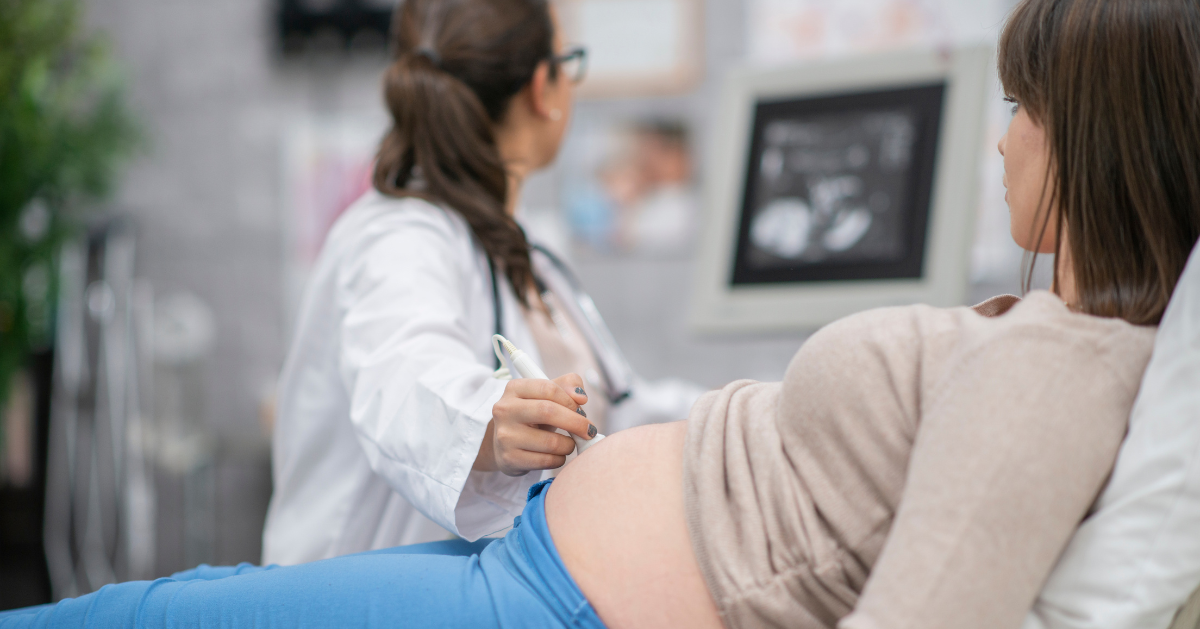
- Recommend an ultrasound if needed
- Prescribe folic acid and prenatal vitamins
- Discuss nutrition, exercise, and lifestyle changes
Early prenatal care helps reduce pregnancy-related complications and supports healthy fetal development.
When Should You See a Gynecologist?
Do not wait for symptoms to become severe. Consult a specialist if:
- Your pregnancy test is positive.
- Your period is more than one week late.
- You have heavy vaginal bleeding.
- You experience severe abdominal pain.
- You have repeated vomiting.
- You have diabetes, thyroid disease, or high blood pressure.
- You have experienced miscarriages in the past.
- You are planning your pregnancy and need preconception counselling.
Women searching for an experienced Gynecologist in Mumbai should choose a hospital that offers complete pregnancy care, from diagnosis to delivery. At Dr Das Multispeciality Hospital's Gynecology Department , the team provides pregnancy confirmation, prenatal check-ups, fetal monitoring, nutritional guidance, and personalized maternity care to support both mother and baby throughout the pregnancy journey.
Tips for a Healthy Pregnancy
These healthy habits support both maternal well-being and your baby's growth.
Gynecology Department
Dr Das Multispeciality Hospital
Pregnancy Care, Prenatal Check-ups & Maternity Support
Frequently Asked Questions (FAQs)
Conclusion
The first few weeks of pregnancy bring many physical and emotional changes. While a missed period is the most recognized symptom, signs such as breast tenderness, nausea, fatigue, frequent urination, bloating, and food aversions can appear much earlier. Paying attention to these changes helps you seek timely medical care and begin a healthy pregnancy journey. If you think you may be pregnant, consult an experienced specialist in Gynecology without delay. For women looking for a trusted Gynecologist in Mumbai, the team at Dr Das Multispeciality Hospital Gynecology Department Hospital offers comprehensive pregnancy care, accurate diagnosis, and personalized support from your first visit through every stage of motherhood.
Book a Consultation
Schedule your consultation with our Gynecology specialists for expert pregnancy diagnosis and personalized prenatal care.
Book Appointment